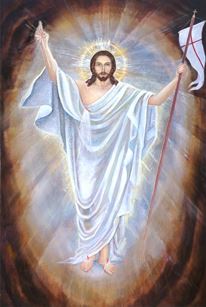
Reflection on Acts 1:8
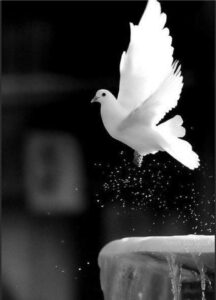 You shall receive power when the Holy Spirit has come upon you;

and you shall be witnesses to Me in Jerusalem, and in all Judea and Samaria,
and to the end of the earth.
It is the Holy Spirit, not we, who converts an individual. We, the privileged ambassadors of Jesus Christ, can communicate a verbal message; we can demonstrate through our life what the grace of Jesus Christ can accomplish. But let us never naively think that we have converted a soul and brought him to Jesus Christ. No one calls Jesus Lord except by the Holy Spirit (1Cor 12:3).
THE CHALLENGE
- In Mark 5:18-19, notice Jesus’ words to a man He had healed.
a) Where did Jesus send him?
b) What did Jesus tell him to do?
c) Why do you suppose Jesus gave these particular instructions?
Reflection on 1Jn 3:1
 Behold what manner of love the Father has bestowed on us,
that we should be called children of God!
Therefore the world does not know us,
because it did not know Him.
The Church is the body of Christ. Every Christian is a member of that body. Our Lord Jesus Christ is the head who directs the work of the whole body. While each organ has a different function, each one is necessary for the health and functioning of the whole body. The Holy Spirit gives life to the body. It is His presence that unites the whole body.
WHAT IS BIBLICAL FELLOWSHIP?
- Read 1 John 3:1. If you are God’s child and He is the Father of all, what does this tell you about your relationship to other believers?
- “Fellowship” is derived from the Greek word koinonia, which means “sharing in common”. God has given you much to share. As you examine the following verses, determine what you can share with others and one practical way to share it.
Reflection on Heb 4:16
 Let us therefore come boldly to the throne of grace,

that we may obtain mercy and find grace
to help in time of need.
Communication is essential for any growing relationship, including our relationship with God. When you pray, the Holy Spirit helps you know what to say and how to say it.
We may master the technique of prayer and understand its theory. We may have unlimited confidence in the veracity and validity of the promises concerning prayer; we may plead them earnestly. But if we ignore the part played by the Holy Spirit, we have failed to use the master key.
PRAYER – YOUR COMMUNICATION WITH GOD
- As a believer in Christ you have been given a special opportunity.
What is it and why is it given to you? Heb 4:16
Reflection on 2Tim 3:16
 All Scripture is inspired by God, and is useful for teaching,

rebuking, correcting and training in righteousness.
The sword is good for both offense and defence. God has armed us for spiritual warfare with the perfect weapon – the sword of the Spirit – the Word of God (Eph 6:17). The Holy Spirit uses the Word of God to accomplish God’s work on earth. Today’s spiritual seekers need two things above all else:
– the knowledge of the Scriptures, outside of which there is no truth necessary for man’s salvation,
– the enlightenment of the Holy Spirit, without which Scripture cannot be understood.
THE WORD OF GOD – A MEANS OF COMMUNICATION WITH MAN
The Bible is the most remarkable book ever written. It was written by some 40 authors of different nationalities and walks of life over a period of some 1,500 years in three languages: Hebrew, Aramaic and Greek. Yet the Bible has only one major theme and one central figure – Jesus Christ. This would not be possible if the Bible did not have a single author: the Holy Spirit.
Reflection on 1Pe 3:15-16a
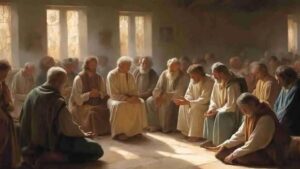 But sanctify the Lord God in your hearts,

and always be ready to give an answer to everyone
who asks you a reason for the hope that is in you,
with meekness and fear.
The Apostle Peter encourages us to sanctify God in our hearts. How should we sanctify Him? Especially in interior prayer, where we talk to Him, listen to Him and ask Him to help us know and do His holy will in specific situations.
The Apostle then says that we should be ready to give an answer to everyone. But no one will ask us unless we apostolize. We must be ready to witness. In prayer we must ask God to whom we should witness, how we should witness and when we should witness. Then we have to overcome some shyness and take the first step ourselves. Strategic is the word first (Gr. proton). If we are to remove the speck from our brother’s eye, we must first judge ourselves. Similarly, when our brother has something against us, we must first take the step of reconciliation, even if we are not aware of any guilt. When we do this, only then will our eyes be opened. This is a special spiritual law.
Reflection on 1Jn 1:7
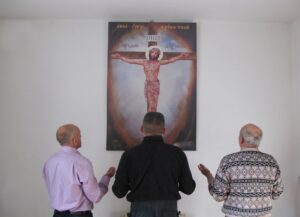 But if we walk in the light as He is in the light,
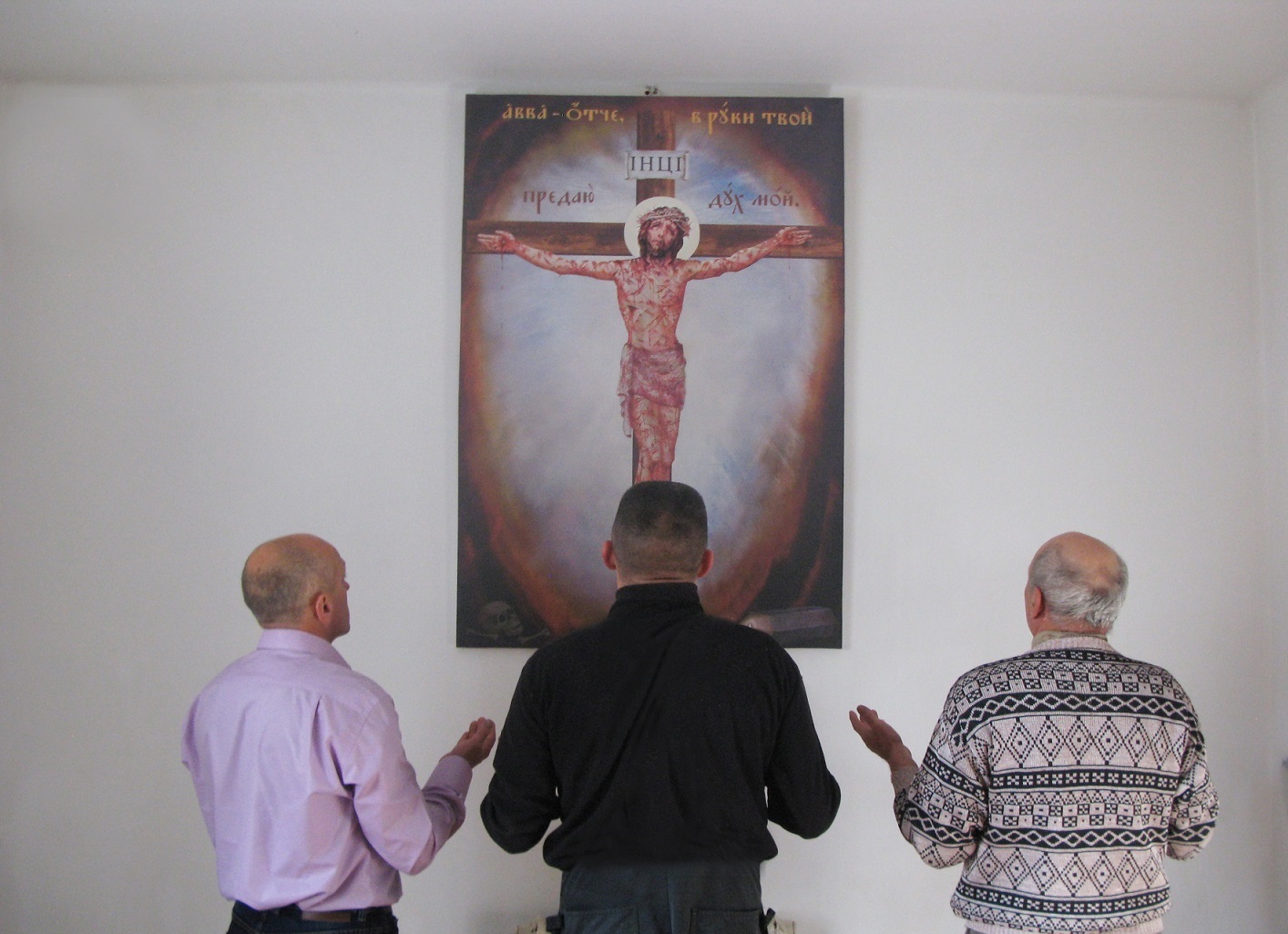
we have fellowship with one another,
and the blood of Jesus Christ His Son cleanses us from all sin.
Think about the word of life and answer these questions:
What does it mean to “walk in the light”?
What does it mean to “have fellowship with one another”?
… if we walk in the light …
- What must you do to walk in the light? Jn 8:12
- What is true of a person who is not walking in the light? 1Jn 1:6
Reflection on 1Jn 4:11
 Beloved, if God so loved us,
we also ought to love one another.
When you say the word “love”, what especially young people imagine is de facto fornication, impurity, even homosexuality. All of this is thrown together into one bag labeled “love”. It is in fact anti-love, egoism and perversity. It is unfortunate that many world languages only have one expression for the word “love”.
The Scripture here talks about the God’s love, pinnacle of humility, pinnacle of suffering, pinnacle of self-sacrifice. Greek language uses three expressions for love and we need to be aware of it. “Agapé” is a selfless love for God. Jesus asks Peter: “Agapas me?” Do you love Me with divine love? Peter replies: “Filo se.” I love you with a human love. “Filia” is the second term for love. It is love for parents, siblings, or nation. The term “eros” means carnal love, associated with sexuality, and such love is exclusive to man and woman who have duly entered a holy matrimony, because it is related to the giving of life, raising children and thus sacrificing oneself for the future posterity.
Reflection on 2Cor 5:7
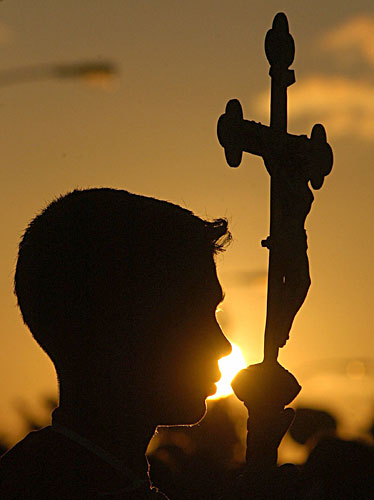
 For we walk by faith, not by sight.
Think about the word of life and answer these questions:
What is walking by faith?
What is walking by sight?
For we walk by faith…
- Why is faith necessary? Heb 11:6
- How does faith grow? Rom 10:17
- Paul based his faith upon ……………………… Acts 27:25
- What must accompany your faith?
Reflection on Rom 8:14
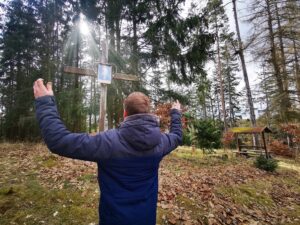 As many as are led by the Spirit of God,
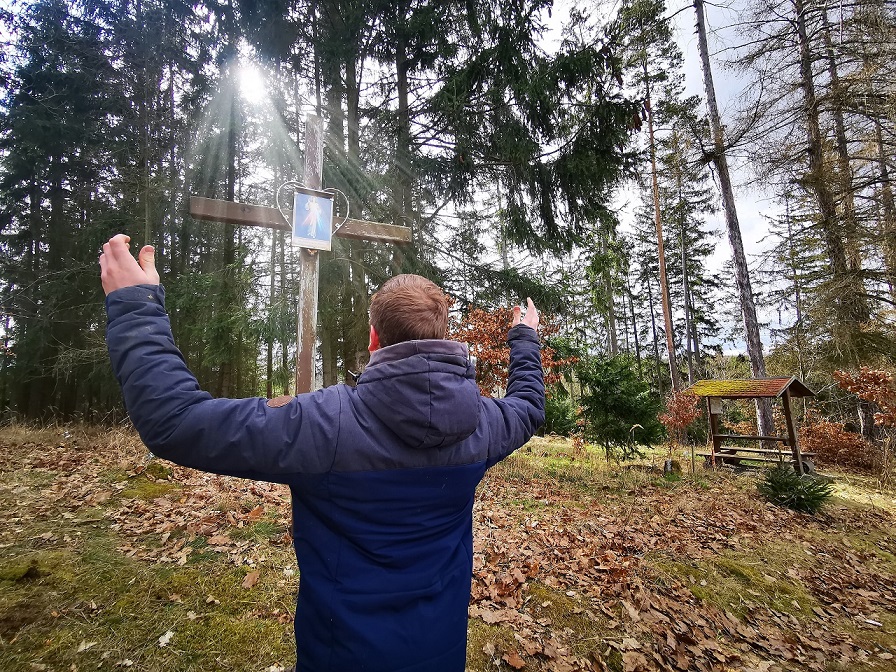
these are sons of God.
Think about the word of life and answer these questions:
Who is led?
Who does the leading?
What does being led indicate?
…as many as are led by the Spirit of God…
- What are some other names for the Holy Spirit? Rom 8:9
- Whom does the Holy Spirit glorify? Jn 16:13-14
- What should be your response to the Holy Spirit? Gal 5:16
- What do you have to do to live according to the Spirit? Rom 8:5
Reflection on Acts 20:32
 So now, brethren, I commend you to God and to the word
of His grace, which is able to build you up and give you
an inheritance among all those who are sanctified.
Think about the word of life and answer these questions:
What is God’s Word able to do?
Why is the Bible called “the Word of His grace”?
…I commend you to God and to the Word…
- How should you regard the Bible? 1Thess 2:13
- What did Jesus say about the Word? Jn 17:17
Reflection on Jn 15:5
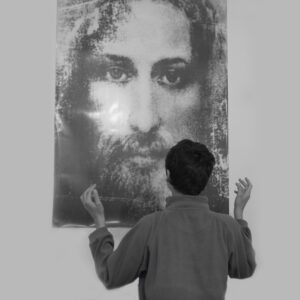 I am the vine, you are the branches.
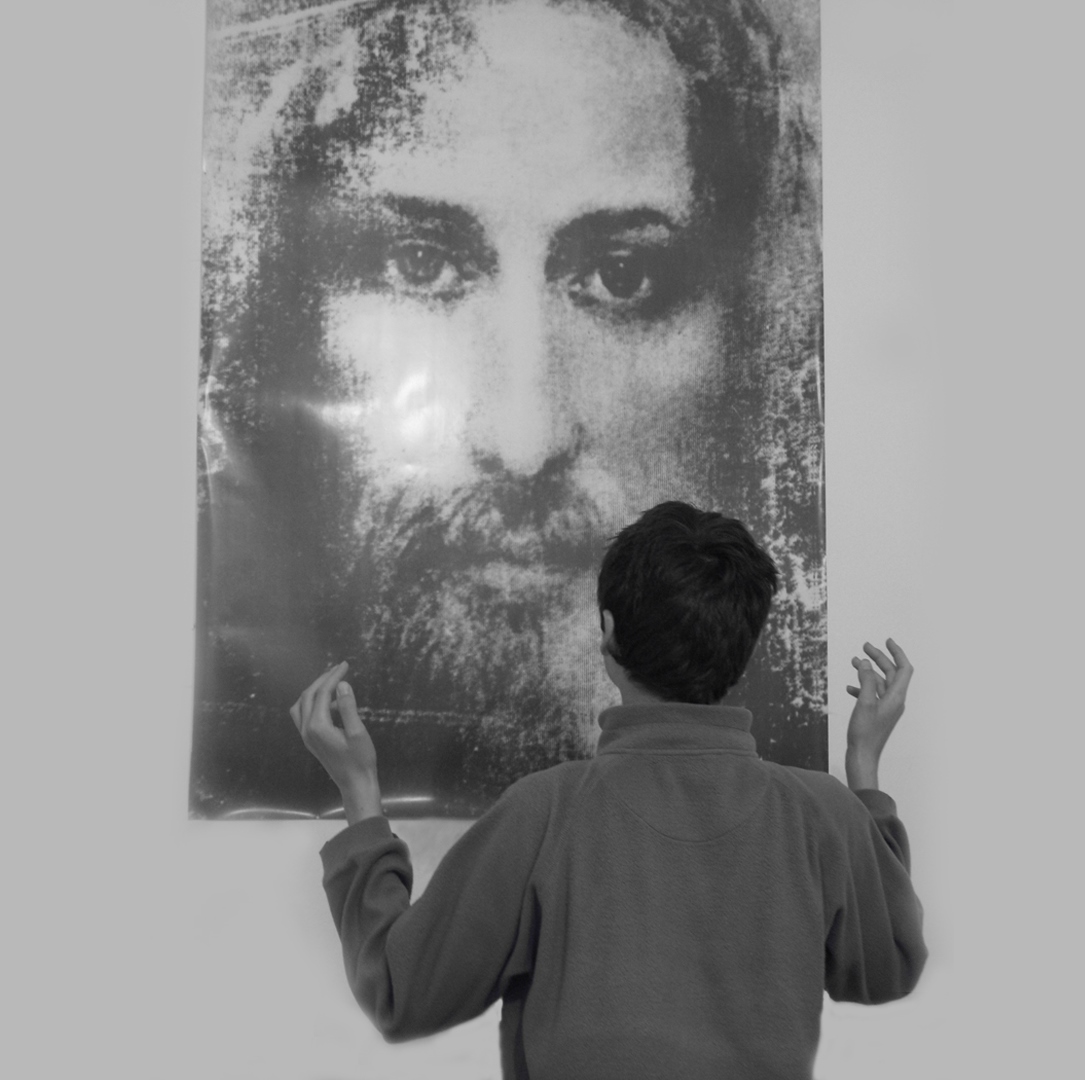
He who abides in Me, and I in him, bears much fruit;
for without Me you can do nothing.
(Review 1Jn 1:9, 5:11f; Jn 16:24; 1Cor 10:13; Prov 3:5-6)
Think about the word of life and answer these questions:
Who is the vine? Who are the branches?
What relationship do you see between a branch and a vine?
How is the relationship between a branch and vine similar to the Christian and Christ?
…abides in Me, and I in him…
- What should be the primary objective of every believer? Mt 6:33
- What will be true of your life if you are abiding in Christ? 1Jn 2:6
Reflection on Prov 3:5-6
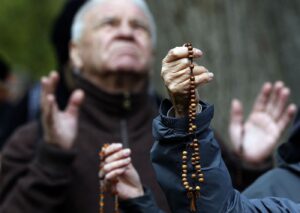 Trust in the Lord with all your heart
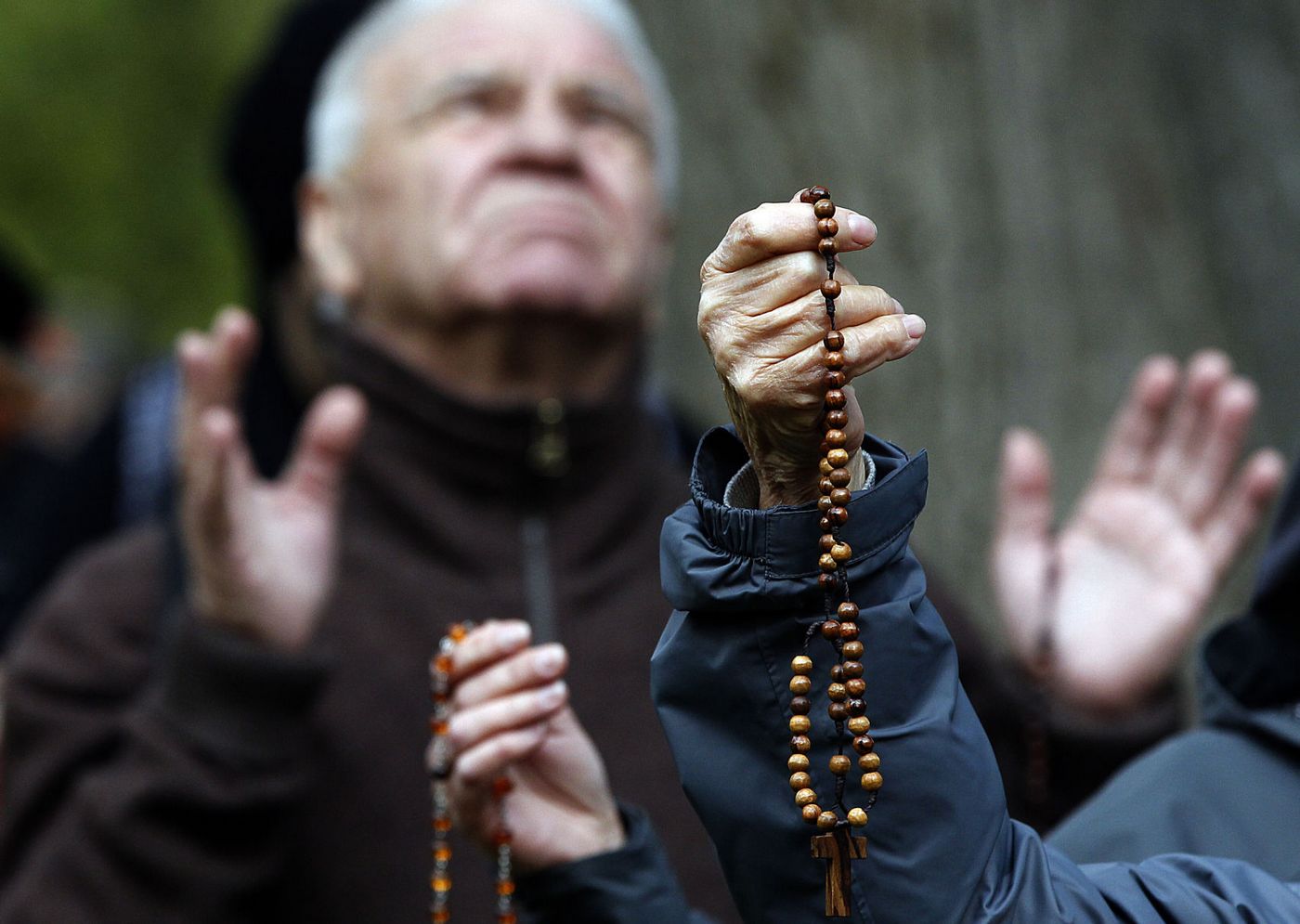
and lean not on your own understanding;
in all your ways submit to Him,
and He will make your paths straight.
Think about the word of life and answer these questions:
What three things are you told to do?
When these conditions are met, what are you promised?
TRUST IN THE LORD WITH ALL YOUR HEART …
- What can you trust God to do for you? (Ps 32:8)
- Read Romans 12:1-2.
- What steps should be taken to experience God’s will?
- How is God’s will described?
Reflection on 1Jn 1:9
 If we confess our sins, He is faithful
and just to forgive us our sins
and to cleanse us from all unrighteousness.
Think about the word of life and answer these questions:
What does God want you to do about your sins?
What does it mean to “confess a sin”?
In His act of forgiving us, how is God described?
What else does God do when you confess your sins?
IF WE CONFESS OUR SINS …
- What should you recognize about yourself? (1Jn 1:8-10)
Reflection on Jn 16:24
 Until now you have asked nothing in My name.
Ask, and you will receive, that your joy may be full.
Think about the word of life and answer these questions according to it:
What is prayer?
In whose name should you pray?
What results from prayer?
UNTIL NOW YOU HAVE ASKED NOTHING IN MY NAME …
What does Jesus teach about prayer in Matthew 7:7-8? …………………………….
Reflection on 1Jn 5:11-12
 And this is the testimony: God has given us eternal life,
and this life is in His Son. He who has the Son has life;
he who does not have the Son of God does not have life.
Think about the word of life and answer these questions:
Who gives eternal life?
Where is eternal life found?
Who has eternal life?
Who does not have eternal life?
The word of life is followed by this verse: “These things I have written to you who believe in the name of the Son of God, that you may know that you have eternal life.” (1Jn 5:13)
Reflection on 1Cor 10:13
 No temptation has overtaken you except such
as is common to man; but God is faithful,
who will not allow you to be tempted beyond
what you are able, but with the temptation will also make
the way of escape, that you may be able to bear it.
This word of life is preceded by a reminder not to grumble and then the apostle’s insistence: “Now all these things happened to them as examples, and they were written for our admonition, upon whom the ends of the ages have come. Therefore let him who thinks he stands take heed lest he fall.” Then follows the word of life: “No temptation has overtaken you except such as is common to man…” And then a warning against idolatry: “I speak as to wise men; judge for yourselves what I say. The cup of blessing which we bless, is it not the communion of the blood of Christ? The bread which we break, is it not the communion of the body of Christ? For we, though many, are one bread and one body; for we all partake of that one bread.
Actual VIDEO
- BCP: A Call for a Revolution in the Catholic Church – From the Head (Part 2)
- BCP: A Call for a Revolution in the Catholic Church – From the Members (Part 1)
- BCP: Was Pope Francis a public heretic or not? Part 13
- BCP: Was Pope Francis a public heretic or not? Part 11
- BCP: Was Pope Francis a public heretic or not? Part 9