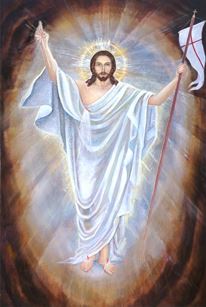
Reflection on Heb 13:8
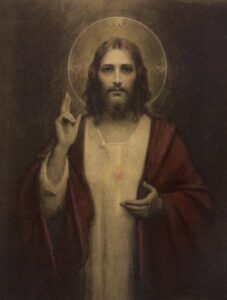 “Jesus Christ is the same yesterday, today, and forever.”
Before Jesus raised Lazarus, who had been dead four days, Martha said to Jesus: “Lord, if You had been here, my brother would not have died.” Jesus said to her: “Your brother will rise again.” She said to Him: “I know that he will rise again in the resurrection at the last day.” Jesus said to her: “I am the resurrection and the life.”
Jesus is the same yesterday, today, and forever. So He has the same power and can raise the dead even today, especially the spiritually dead. He can do the same things He did when He was here on earth. When we read the lives of the saints and martyrs, we see that through many the Lord worked great miracles before they died, that is, while they were being tortured. For example, miracles with wild beasts, when the hungry lions in the arena did not tear the martyrs apart, but instead licked them and sat at their feet like sheep. Other times, when they were thrown into prison after cruel torture, their bodies were completely recovered the next day.
Reflection on Heb 11:6
And without faith it is impossible to please God, because anyone who comes to Him
must believe that He exists and that He rewards those who earnestly seek Him.
 This verse is part of the well-known chapter 11 of the Epistle to the Hebrews. It is preceded by the following five verses: “Now faith is being sure of what we hope for and certain of what we do not see. This is what the ancients were commended for. By faith we understand that the universe was formed at God’s command, so that what is seen was not made out of what was visible. By faith Abel offered God a better sacrifice than Cain did. By faith he was commended as a righteous man, when God spoke well of his offerings. And by faith he still speaks, even though he is dead. By faith Enoch was taken from this life, so that he did not experience death; he could not be found, because God had taken him away. For before he was taken, he was commended as one who pleased God.” (Heb 11:1-5) Next, this chapter presents models of faith, such as Abraham, Moses, the prophets, and points out that not only are we saved through faith, but through faith God also works extraordinary miracles.
Reflection on Heb 9:27
 People are destined to die once and then face judgment.
The next verse 28 reads: “So also Christ was sacrificed once to take away the sins of many people; and He will appear a second time, not to bear sin, but to bring salvation to those who are waiting for Him.”
The proverb says: A wise person thinks about the end, that is, death. But it is not enough to think about death, we must also think about eternity, which can be either happy or unhappy. The condition for a happy eternity is to keep our faith in Jesus Christ, because the Scripture says: Whoever believes in Him will be saved. The best preparation for death and eternity is through an act of perfect contrition. This consists in admitting your sinfulness to yourself and to God, looking with faith at the cross of Jesus, and calling on His name.
Reflection on 1Cor 1:18
 For the word of the cross is foolishness to those who are perishing,
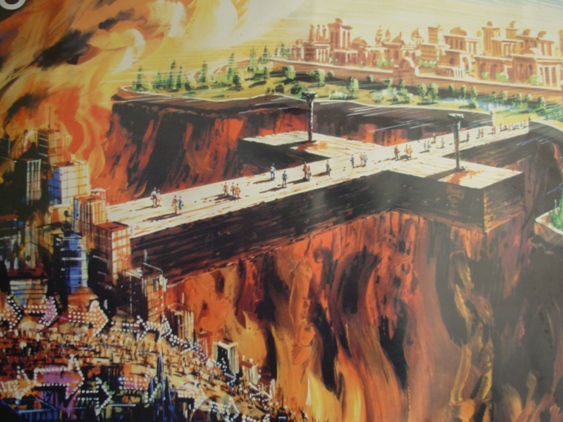
but to us who are being saved it is the power of God.
In this chapter, the Apostle Paul addresses the question of human and divine wisdom. He writes: “Where is the wise? Where is the scribe? Where is the disputer of this age? Has not God made foolish the wisdom of this world? For since, in the wisdom of God, the world through wisdom did not know God, it pleased God through the foolishness of the word preached to save those who believe. For Jews request a sign, and Greeks seek after wisdom; but we preach Christ crucified, to the Jews a stumbling block and to the Greeks foolishness, but to those who are called, both Jews and Greeks, Christ the power of God and the wisdom of God. Because the foolishness of God is wiser than men, and the weakness of God is stronger than men.” (1Cor 1:20-25)
Reflection on 1Cor 11:31-32
 For if we would judge ourselves, we would not be judged.
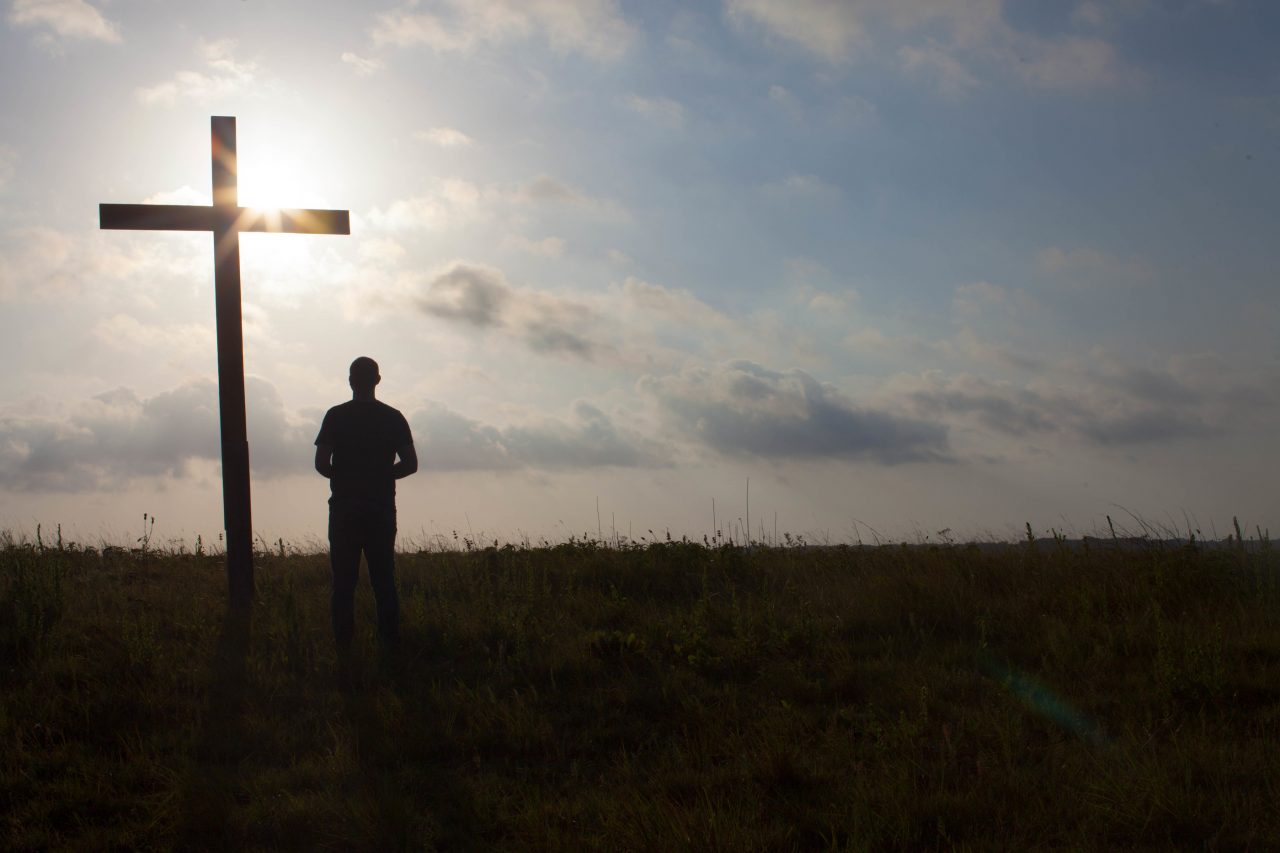
But when we are judged, we are chastened by the Lord,
that we may not be condemned with the world.
These words in Scripture are related to receiving the Lord’s Body and Blood in Holy Communion, but they also have a deep meaning as such. We need true self-criticism not only when eating of the table of the Lord, but during the day we also need to stand in God’s light and truly call our sin sin, laziness laziness, envy envy and touchiness touchiness. The essential thing in the relationship to God is truthfulness, and truthfulness is connected with the humility and courage to admit our sin, to admit that we were deceived or not vigilant. Our ego will always find an excuse, a priori rejecting the objective truth that convicts us. True self-criticism convicts our blind selfishness of an unwillingness to accept the truth and shows our limitations, namely that we are not gods but mere creatures.
Reflection on Acts 1:8
 “You will receive power when the Holy Spirit
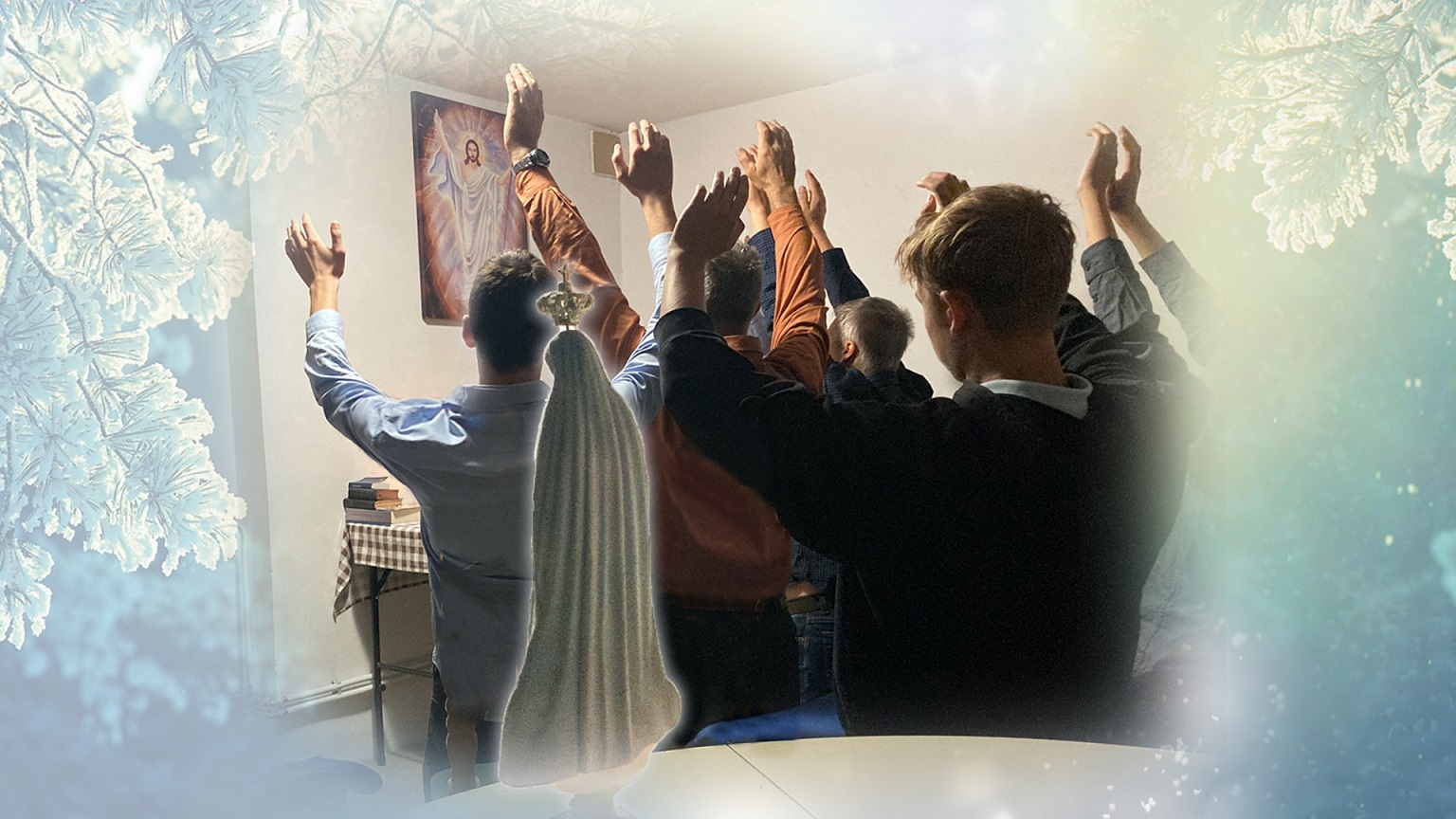
comes on you; and you will be My witnesses in Jerusalem,
and in all Judea and Samaria, and to the ends of the earth.”
This promise was made by Jesus to His apostles on the day of His ascension. On the tenth day afterwards, on Mount Zion in Jerusalem, the apostles received the Holy Spirit. It was also here that Jesus celebrated the Last Supper with the apostles the evening before His death and then appeared to them after His resurrection.
The apostles witnessed many miracles during the time they walked with Jesus. They saw the resurrection of the young man of Naim, the daughter of Jairus, and Lazarus, who had been in the grave for four days. Although they had good will, they failed in the moment of trial. Judas became a traitor and met a tragic end. Peter denied Jesus three times, but then repented sincerely. The other apostles, except John, dispersed. He and the Mother of Jesus were the only ones who stood by the cross.
Reflection on Rev 1:3
 Blessed is the one who reads aloud the words of this prophecy,
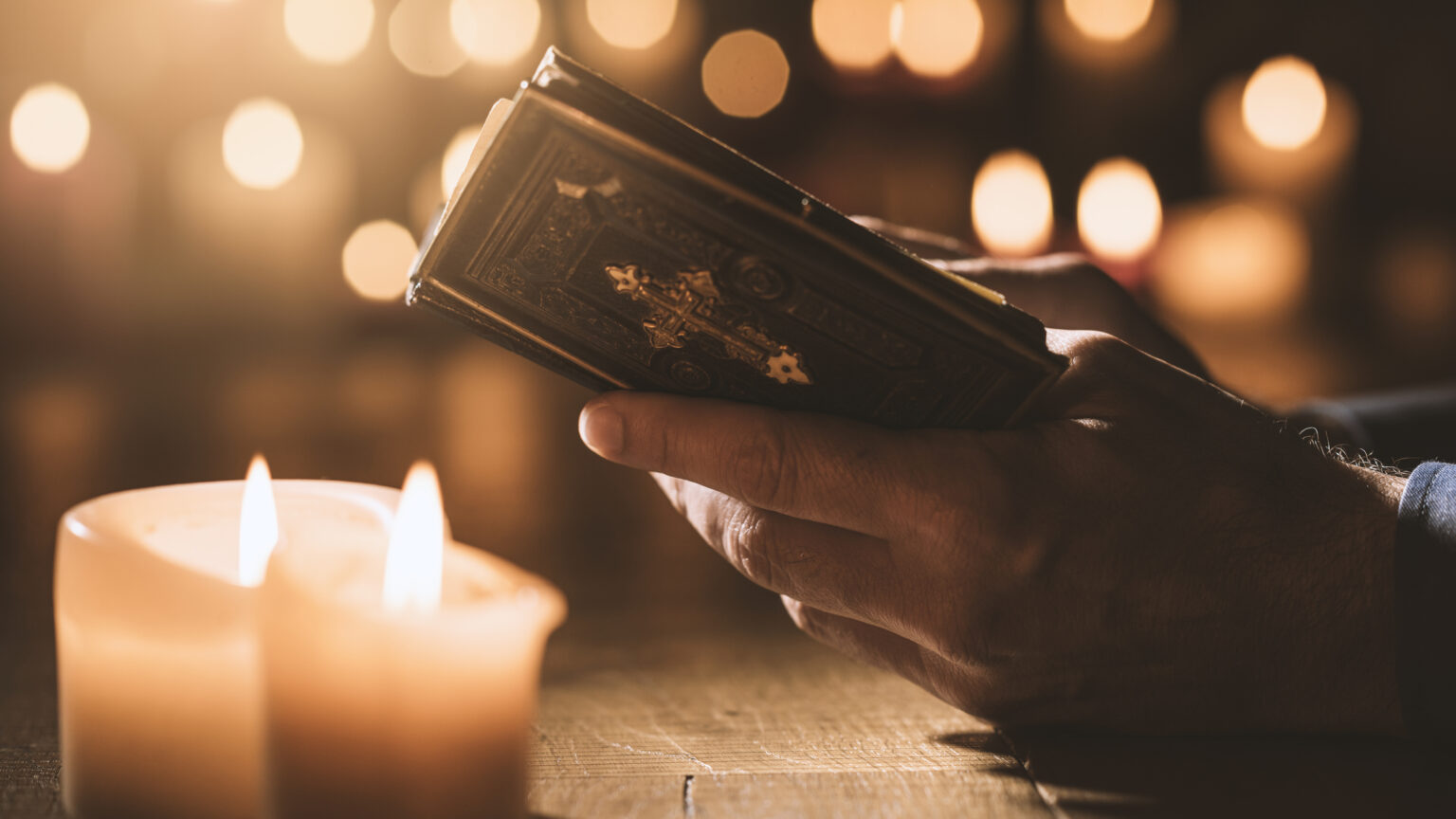
and blessed are those who hear it and take to heart what
is written in it, because the time is near.
These words are from the Book of Revelation. The Apostle John was shown the future of the Church in various pictures on the island of Patmos. Some of them relate specifically to our time, but they have been and continue to be veiled to many. Only the Holy Spirit can gradually reveal the mysteries contained in the Book of Revelation.
But the important lesson for us is, “… blessed are those who hear and take to heart what is written in it.”
The Book of Revelation actually encourages us to be faithful to our Lord and Saviour, even to death. Many martyrs also gained strength from this book. It tells of the persecution of the Church, of the persecution of those who are faithful to Jesus and His Word.
Reflection on Mt 8:2
 A man with leprosy came and knelt before Him and said,
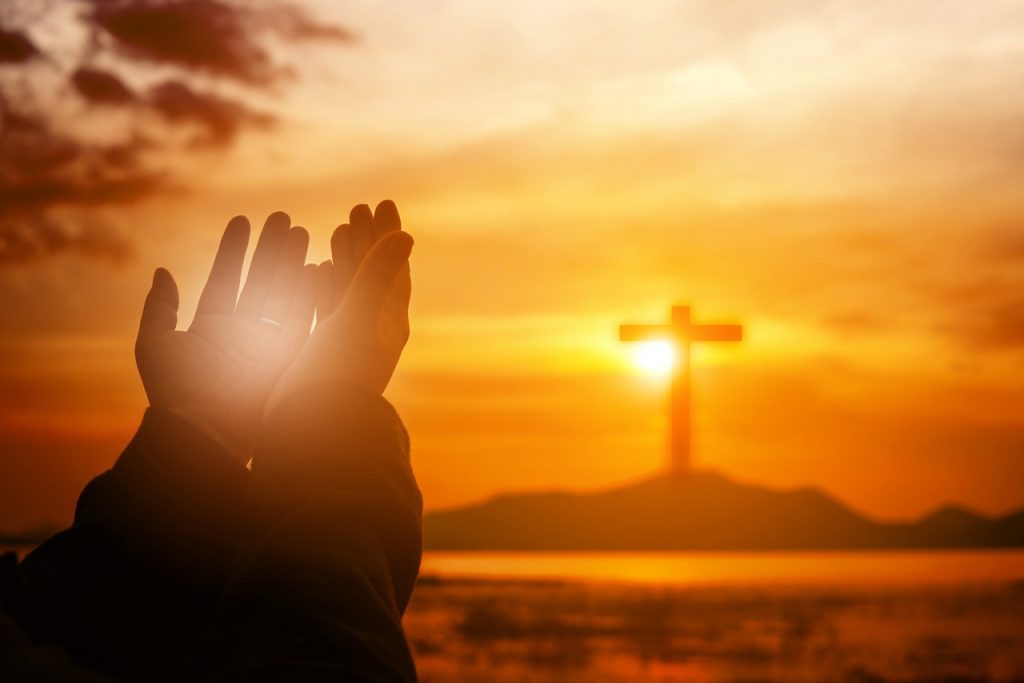
“Lord, if You are willing, You can make me clean.”
The leper came to Jesus. Leprosy is a disease in which the parts of the body gradually rot away until death finally comes. In Jesus’ time, leprosy was an incurable disease. Leprosy is infectious, so lepers were separated from the community of other people, lived in deserted places, and had to call out when a person approached them: “Leper!”, or ring a bell to keep people away from them and not infect them.
Saint Damien de Veuster, who lived in the 19th century, voluntarily went to the island of Molokai, where lepers lived. He served them and fought for the salvation of their souls. Eventually he was infected and became a willing sacrifice for their salvation.
Reflection on Is 52:2
 Shake yourself from the dust and arise;
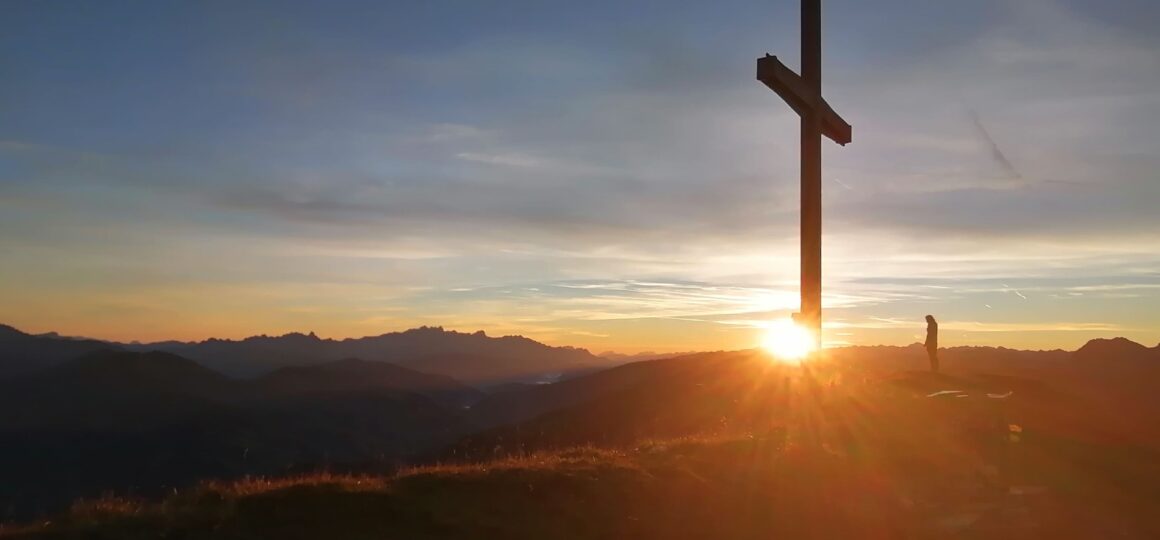
be seated, O Jerusalem; loose the bonds from your neck,
O captive daughter of Zion.
This verse that is to be reflected on for the next two weeks is preceded by the following one: “Awake, awake, put on your strength, O Zion; put on your beautiful garments, O Jerusalem, the holy city; for there shall no more come into you the uncircumcised and the unclean.” Then follows our word of life that we are going to repeat: “Shake yourself from the dust and arise; be seated, O Jerusalem; loose the bonds from your neck, O captive daughter of Zion.”
The next verse reads: “For thus says the Lord: ‘You were sold for nothing, and you shall be redeemed without money. … Therefore My people shall know My name. Therefore in that day they shall know that it is I who speak; here am I.’”
Reflection on Is 51:12
 “I, I am He who comforts you;
why then are you afraid of a mere mortal who must die,
a human being who fades like grass?”
The previous verse 11 reads: “And now they that are redeemed by the Lord shall return, and shall come into Sion (into the true Church) singing praises, and joy everlasting shall be upon their heads, they shall obtain joy and gladness, sorrow and mourning shall flee away.” It is followed by this verse 12: “I, I am He who comforts you; why then are you afraid of a mere mortal who must die, a human being who fades like grass?” And the next verse 13 rebukes: “Have you forgotten the LORD who made you, who stretched out the heavens and laid the earth’s foundations? Why should you live in constant fear of the fury of those who oppress you, of those who are ready to destroy you? Their fury can no longer touch you.”
Reflection on Is 41:14
 “Do not be afraid, O worm Jacob, O little Israel,
for I Myself will help you,” declares the Lord,
your Redeemer, the Holy One of Israel.
Compared to the almighty God, who created billions of stars, to which we would have to fly at the speed of light for millions of years, our Earth is only a little dust and man is really less than a worm. The Lord takes care not only of real worms, but also of the human ones that He not only created, but also became man for them. Jesus won new, God’s life for us, which is not subject to death or suffering, but lasts forever in endless happiness and glory. The Son of God redeemed us from the slavery of darkness and sin, and the only condition for salvation on our part is that we accept Jesus by faith and remain faithful to Him on this journey of life.
Reflection on Psalm 51:10-11
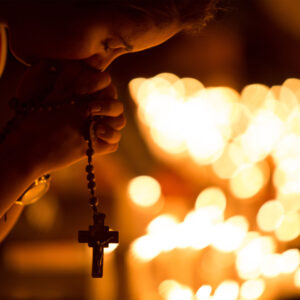 Create in me a clean heart, O God,
and renew a steadfast spirit within me.
Do not cast me away from Your presence,
and do not take Your Holy Spirit from me.
These two verses are part of a penitential psalm prayed by King David after his fall. The psalm begins with: “Have mercy upon me, O God, according to Your lovingkindness; according to the multitude of Your tender mercies, blot out my transgressions. Wash me thoroughly from my iniquity, and cleanse me from my sin. For I acknowledge my transgressions, and my sin is always before me.”
In this penitent prayer, which was certainly accompanied by abundant tears, King David pleaded for a pure heart and a renewal of the spirit. But this prayer also expresses a deep mystery concerning the creation of a new heart. God later promised through the prophet Ezekiel: “I will give you a new heart and … a new spirit.”
Reflection on Is 25:7
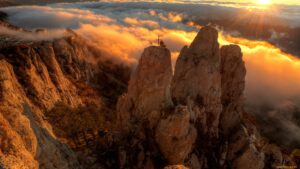 On this mountain the Lord will destroy the veil

that shrouds all the peoples,
the sheet spread over all the nations.
What is the shroud? What is that veil, which in some way shrouds or covers all people without distinction? The spiritual shroud is a hereditary sin, or a deposit of evil in us, which in Scripture is called the old man. The fruit of this destructive shroud are all the crimes, murders, atrocities, which the mankind has committed and is committing. All this crawls from under that cover of the spiritual darkness, full of lies and evil, which darkens our mind and blinds our will. In order to remove this veil, God became man. Man’s free will, however, is still a deep secret. Many people fell in love with lies and evil and they do not want this cover to be removed from their soul so that their mind recognizes the truth and conscience convicts them of their evil deeds. Jesus said: “Light has come into the world, but people loved darkness because their deeds were evil.” We can see the proof of this being a reality daily, be it through the global events as well as in our private life. A little flock plays a significant role here. It is understood that this biblical name designates “the remnant of Israel”. Jesus says: “Do not be afraid, little flock, for it is your Father’s good pleasure to give you the kingdom.”
Reflection on Is 24:21
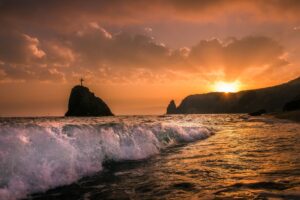 On that day the Lord will punish the host of heaven, in heaven,

and the kings of the earth, on the earth.
This statement of the prophet Isaiah is topical or will be topical during the upcoming days. What is the host of heaven in heaven? Apostle Paul explains that our fight is not against the flesh and blood, but against the powers of darkness (cosmocratores), which govern the world in the heavenly realm (Eph 6:10f), which is the so-called host of heaven. The above mentioned powers of darkness endeavor to bring the Earth to self-destruction by means of this world rule. They do this through people who serve them, namely through their mediums. We know who these earthly kings are. In the present day, they have been replaced with a so-called democratic system and various ideologies, such as communism, fascism, etc. Behind this system of ideas is also a spirit, which influences people’s thinking and acting through certain structures. The Lord promises that He will punish those dark powers on that day. There is no doubt that that day will definitely be the day of the last judgment, but it can come even before God’s judgment. Similarly, as the fascism had been punished, albeit at the expense of great sacrifices, any other “ism”, which opposes God, will be punished and destructed sooner or later.
Reflection on Mt 18:18
 Assuredly, I say to you, whatever you bind on earth
will be bound in heaven, and whatever you loose on earth
will be loosed in heaven.
This promise applies on several levels. It applies to religious leaders, who are allowed to specify – in line with the teaching of the Church – some of the requirements of the Gospel and bind our conscience by a church regulation; for instance, they can lay down that eating meat on Friday is a sin. They can also loose it and say that the Friday fast may be replaced, for example, by prayer or an act of penance. This is an area that concerns those who are responsible before God for the Church in a particular territory.
Of course, church authority can be grossly abused against the essence, and this is already happening. In that case, however, the prelates concerned incur the most severe penalties, up to excommunication, in proportion to the gravity of their offence. This applies to those who nowadays promote sodomy and other similar immoralities through an abuse of episcopal or papal power.
Reflection on Psa 82:5
 They know nothing, they understand nothing.

They walk about in darkness;
all the foundations of the earth are shaken.
This verse of the Psalm is very relevant for today. It applies primarily to men of political power and men of the Church, but to some extent it applies to all of us.
What to do to be able to know and understand and not walk about in darkness but in the light? We must be serious about Jesus in our lives, because He is the Light of the world. In Him is the fullness of wisdom and knowledge. If we are just influenced by so-called mainstream or smartphone wisdom, we know absolutely nothing about the essential things, namely the salvation of the soul, and we do not understand what we should do for its sake or how to overcome lies and deceit. In this blindness, then, all the foundations of the earth are shaken.
Actual VIDEO
- BCP: A Call for a Revolution in the Catholic Church – From the Head (Part 2)
- BCP: A Call for a Revolution in the Catholic Church – From the Members (Part 1)
- BCP: Was Pope Francis a public heretic or not? Part 13
- BCP: Was Pope Francis a public heretic or not? Part 11
- BCP: Was Pope Francis a public heretic or not? Part 9