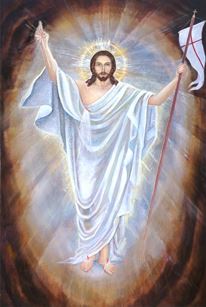
Reflection on Jn 15:5; 15:7
 At the Last Supper, Jesus reveals the deep mystery of the inner life in God as well as our unity in Christ and through Him in the Father too. At the Last Supper, Jesus instituted the Eucharist. The Gospel of the Apostle John points out the mystery of the Eucharist even some time before. Jesus said: “He who eats My flesh and drinks My blood abides in Me, and I in him.” (Jn 6:56) “I am the living bread.” (v.51) “I am the bread of life. If anyone eats of this bread, he will not die; and the bread that I shall give is My flesh, which I shall give for the life of the world.” “Whoever eats My flesh and drinks My blood has eternal life, and I will raise him up at the last day.” (v.54)
In chapter 14, Jesus first points out that He prepared a place for us in heaven and then He speaks about the only way through which we can enter it. He is the Way. Jesus said: “I am the Way.” (Jn 14:6) Then He says that He is in the Father and the Father in Him. When Philip said to Him: “Lord, show us the Father,” Jesus answered to him: “Have I been with you so long, and yet you have not known Me, Philip? He who has seen Me has seen the Father (but only in the light which the Holy Spirit gives); so how can you say, ‘Show us the Father’?” Here Jesus speaks quite openly about the mystery of unity of the Holy Trinity. “Do you not believe that I am in the Father, and the Father in Me?” (Jn 14:10) And next, Jesus emphasizes: “Believe Me that I am in the Father and the Father in Me.” (v.11)
That evening He points out not only the mystery of His unity with the Father but also the mystery of interior unity between Him and us. He reveals to us that we share in the life of the Holy Trinity: Father, Son and Holy Spirit even here on earth (cf. Jn 14:17). Jesus reveals the deep mystery that we are bearers of God, that God dwells in us, that the kingdom of God is in us (cf. Lk 17:21). “Or do you not know that your body is the temple of the Holy Spirit who is in you, whom you have from God, and you are not your own?” (1Cor 6:19-20) “And what agreement has the temple of God with idols? For you are the temple of the living God. As God has said: ‘I will dwell in them and walk among them. I will be their God, and they shall be My people.’” (2Cor 6:16) “The Spirit of Him who raised Jesus from the dead dwells in you.” (Rom 8:11) This mystery of God dwelling in us is connected with the love for God – agape – i.e. with the keeping of Christ’s commandments given to us in the Gospel. Today the word “love” is abused and covers up monstrous perversions and crimes. It is in fact self-love and egoism. In contrast to it, the love of God – agape – is connected with pure sacrifice in relation to God and neighbour. The word “love” – agape – is used 8 times in chapter 14 and 8 times in chapter 15 of John’s Gospel. So chapter 14 reveals the mystery of unity between Jesus and the Father as well as His unity with us. This is also emphasized in chapter 15 in the parable of the vine and the branches. This passage uses the Greek word “menein” several times, which stands for “abide” or “dwell”. Jesus abides in us, but the question is whether we abide in Him through love and faith. It is not enough just to enter into this truth by faith. It is necessary to abide in it, both passively and actively. In other words, to abide in Christ. Passively means that we do not cast God out by grave sin or heresy or unbelief (cf. Jn 16:9). Abiding actively is connected with interior prayer, in which we concentrate on God’s Word and Christ. Jesus emphasizes: “If you abide in Me, and My words abide in you…” (Jn 15:7) The fruits of this abiding are as follows: “…ask whatever you wish, and it will be done for you.” If we are in true unity, we will ask for something which is in agreement with the will of God and which God has put into our heart and mind by His Spirit, and God will do it immediately or later, and He will do it better than we imagined or wished. There is one condition for us: To abide by faith in Christ and His Word. If we doubt in our heart, nothing will happen either in the physical or spiritual sphere. The means which helps us to abide actually in Christ and in His name and in unity with the Triune God is the prayer of God’s power according to Mk 11:23.
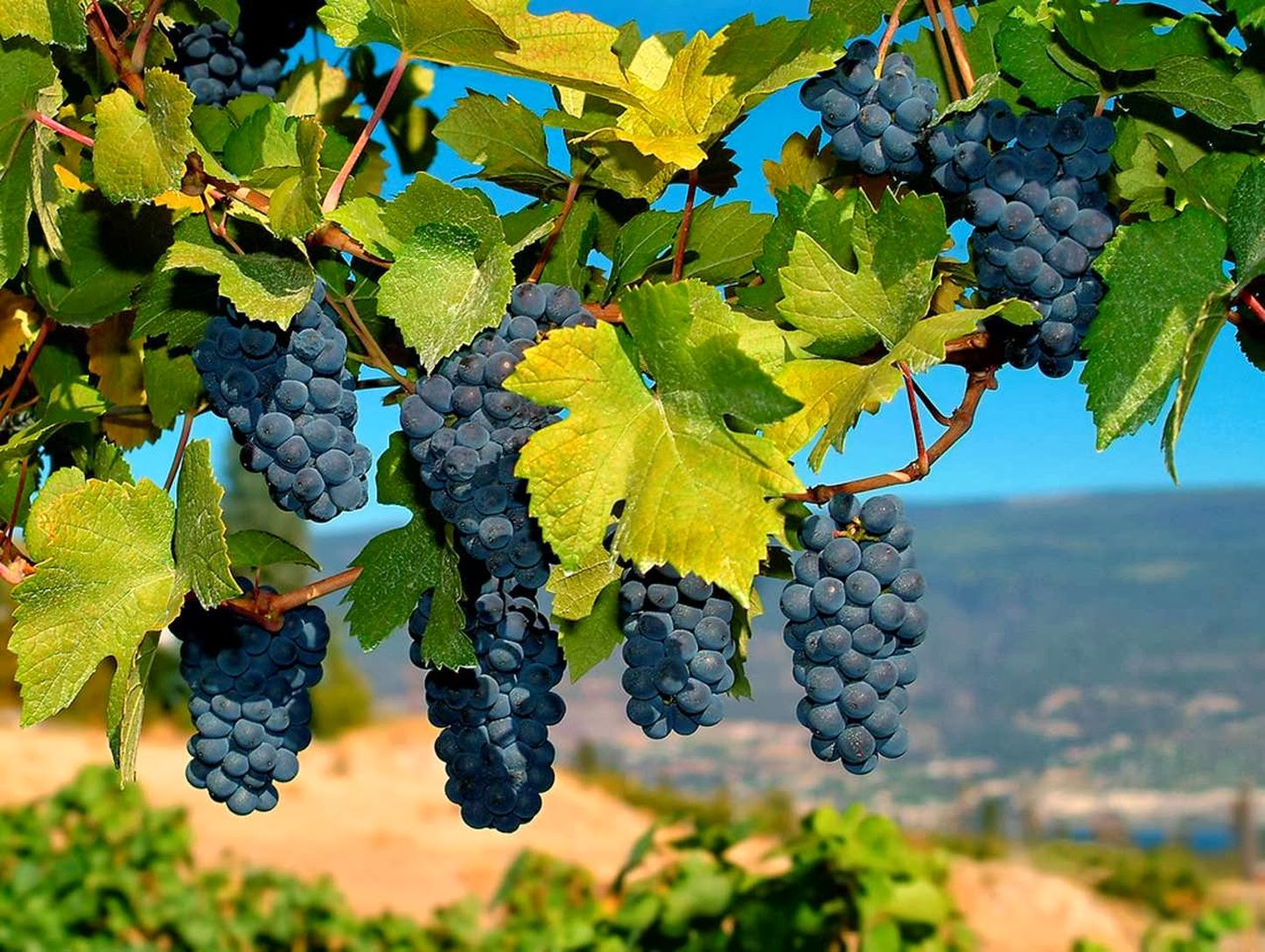
In Jn 15:5, Jesus speaks about the condition and about the fruit, which is unity with Him. In verse 5, He says that He is the vine. “I am the vine.” The Greek original reads: “ego eimi” (I am). These words express the divine nature. Jesus uses the same expression when speaking about the Eucharist: “I am (ego eimi) the bread of life.” (Jn 6:48-51) “You will know that I am (ego eimi) in My Father, and you in Me, and I in you.” (Jn 14:20) Jesus said to the Jews: “Before Abraham was, I am. Then they took up stones to throw at Him.” (Jn 8:58)
In our prayer stops throughout this month we shall repeat the Word of God and realize the deep mystery of “Jesus being in me and I in Him”. Let us realize it by faith at least for one minute during the day.
Download: Reflection on Jn 15:5; 15:7
Actual VIDEO
- BCP: A Call for a Revolution in the Catholic Church – From the Head (Part 2)
- BCP: A Call for a Revolution in the Catholic Church – From the Members (Part 1)
- BCP: Was Pope Francis a public heretic or not? Part 13
- BCP: Was Pope Francis a public heretic or not? Part 11
- BCP: Was Pope Francis a public heretic or not? Part 9