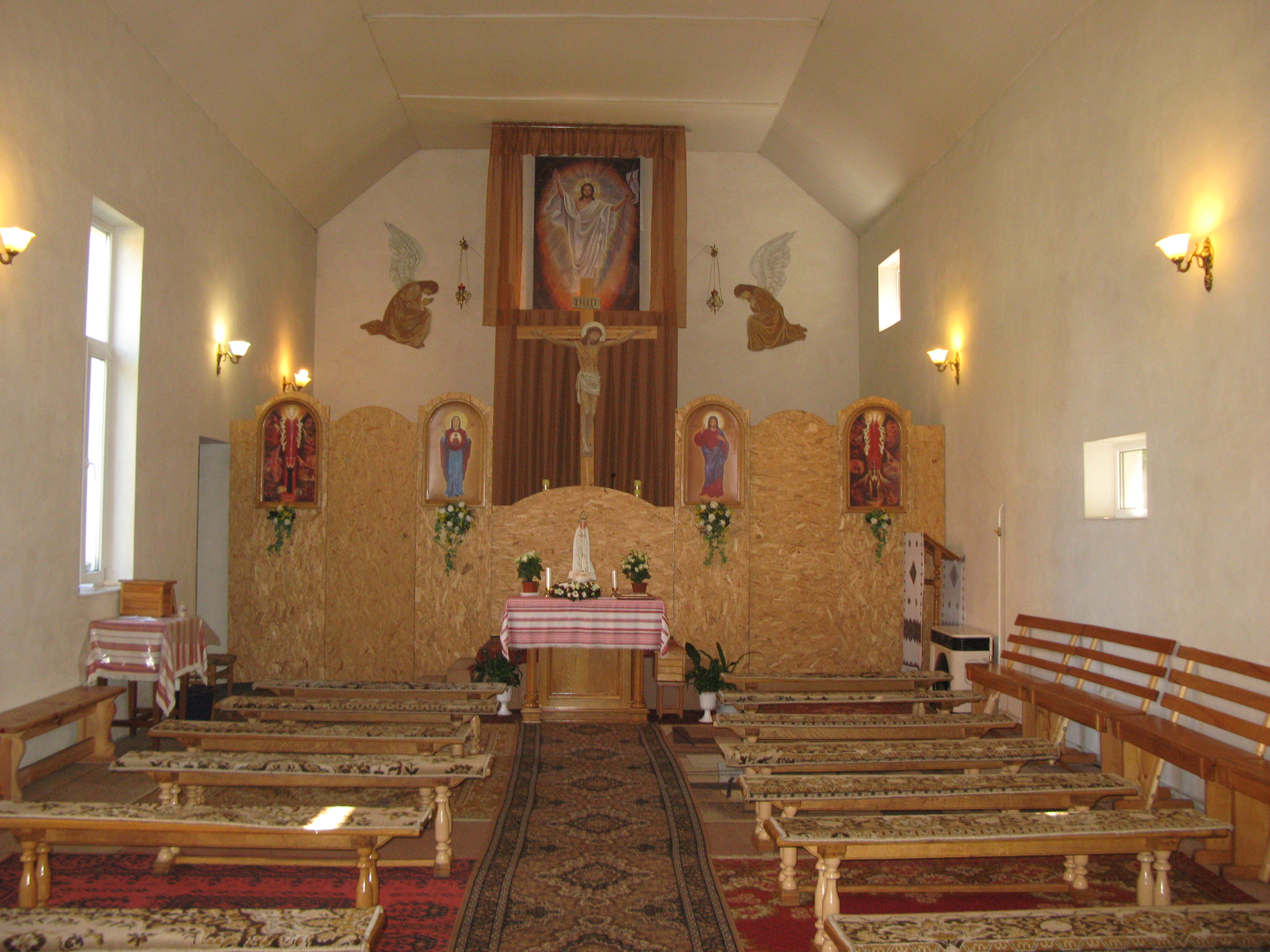
 We present a proposal of a reform of a post-conciliar temple according to the biblical model.
The Council enabled a radical “reform”: It removed the altar-rails which emphasized the sacredness of the place. In most cases, the tabernacle was transferred to the side chapel. An empty altar thus became the centre, with a seat for “the president of the liturgical assembly” behind it. Instead of the Eucharistic Christ it is now the priest, facing the believers, who became the centre of attention during the Mass. This liturgical “reform” affected neither the Orthodox Church nor the Eastern Catholic Churches. Here the sacredness of the place is emphasized not by the altar-rails only but by an iconostasis. The Greeks have a simple iconostasis: mostly composed of four holy images which separate the presbytery from the nave. The Slavs of the Eastern rite have an iconostasis consisting of many images. We propose:
1) Iconostasis
The Western Church should repent of disrespect, unbelief and profanation. The liturgical space should be separated with an iconostasis at the best. The iconostasis can be simple, according to the Greek model.
2) Sanctuary
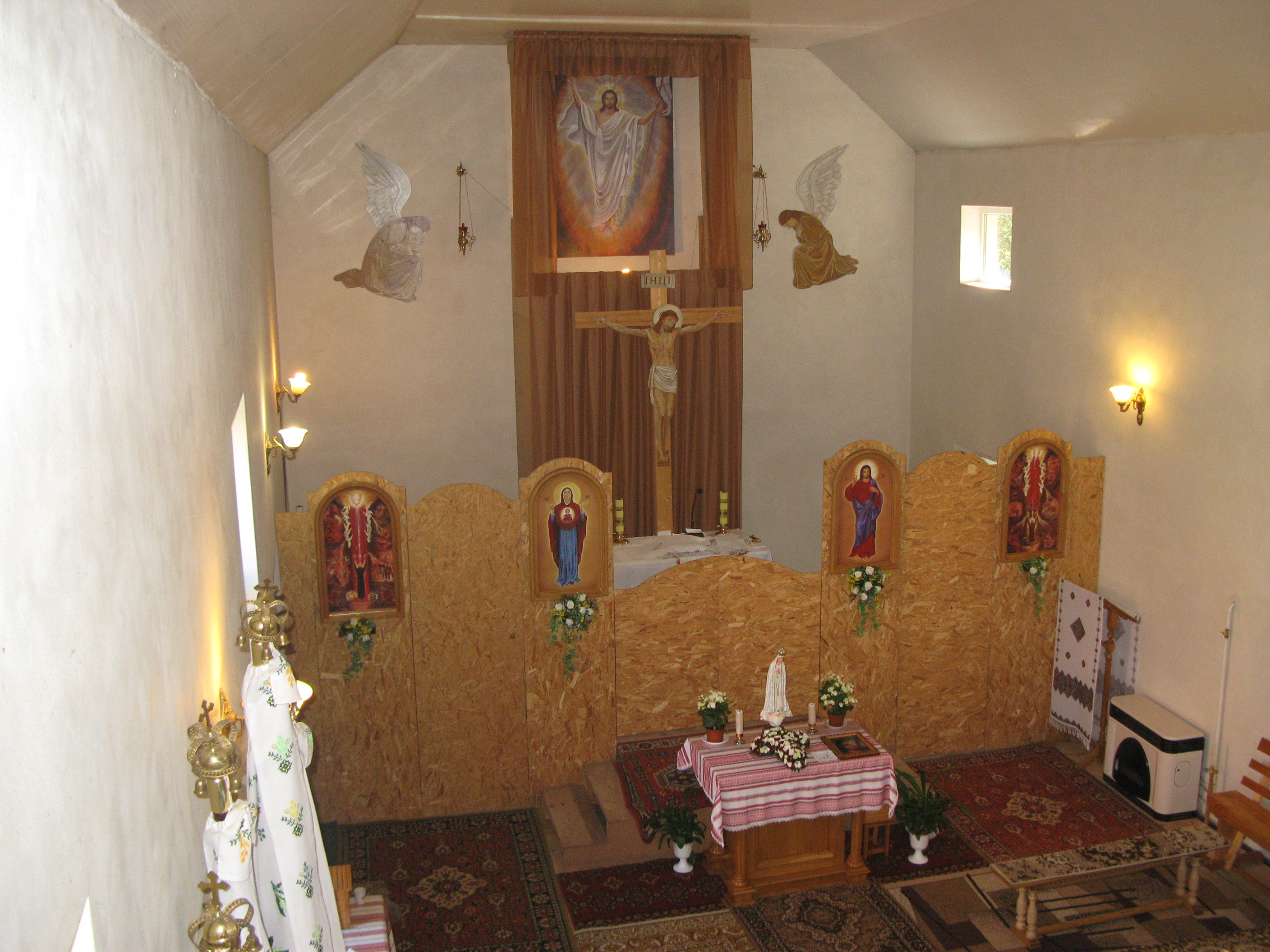
Above the altar there should be a large cross placed with the image or figure of the Saviour. The priest should celebrate the liturgy with his face turned towards the cross and the tabernacle (the Holy of Holies). In the Eastern Church, women are prohibited from entering the sanctuary.
 3) The Holy of Holies, the Tent of Meeting
The Holy of Holies, or the Tent of Meeting, was the place where the Lord spoke to Moses. Here Moses inquired of the Lord for the weightiest matters concerning predominantly the People of God.
The Holy of Holies constituted the heart of the Temple of Jerusalem. It was a dark room. Here God was present in a special way. The Holy of Holies could be entered only by the high priest who first had to purify himself from sins by the blood of sacrificed lambs. Jesus is the Lamb of God sacrificed for our sins. The centre in the Holy of Holies is the Eucharistic Christ.
The symbolical measures of the present-day Holy of Holies: 3×3×7 cubits (biblical cubit = 50,2 cm), i.e. 1,5×1,5×3,5 m. Both on the left and the right side there would be an angel in adoration depicted on the wall and lamps hanging which would indicate the presence of God in the midst of His people (cf. Rev 21:3).
The priest enters the Holy of Holies when he carries the Eucharist in or out. He also enters this place when in serious cases he seeks the will of God (inquiring of the Lord, discerning – 1Thes 5:19-21). The condition is purification from sins by the blood of the Lamb of God (1Jn 1:7).
Conclusion
The biblical model of the temple is a) the place for God’s people; b) the place for the priest – sanctuary; c) the place for God – the Holy of Holies. Should there also start the renewal of the spiritual temple, i.e. of lukewarm Christians, the first and foremost condition is conversion and true repentance! Biblical conversion leads to true worship of God. The present-day Church needs an authoritative break with a false regard for paganism (Nostra aetate) and with the spirit of atheism which is behind the historical-critical method (HCT).
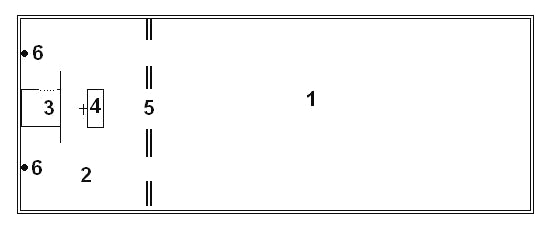 1 – nave
2 – sanctuary (presbytery)
3 – the Holy of Holies with a curtain
4 – altar with a large cross
5 – iconostasis
6 – two angels and lamps
Download: A reform of the temple